
Every system here is one I had to run myself.
Widenine Solutions is run by Rob Roberts. The person who scopes the work is the person who does it — and the person you call when something is wrong.
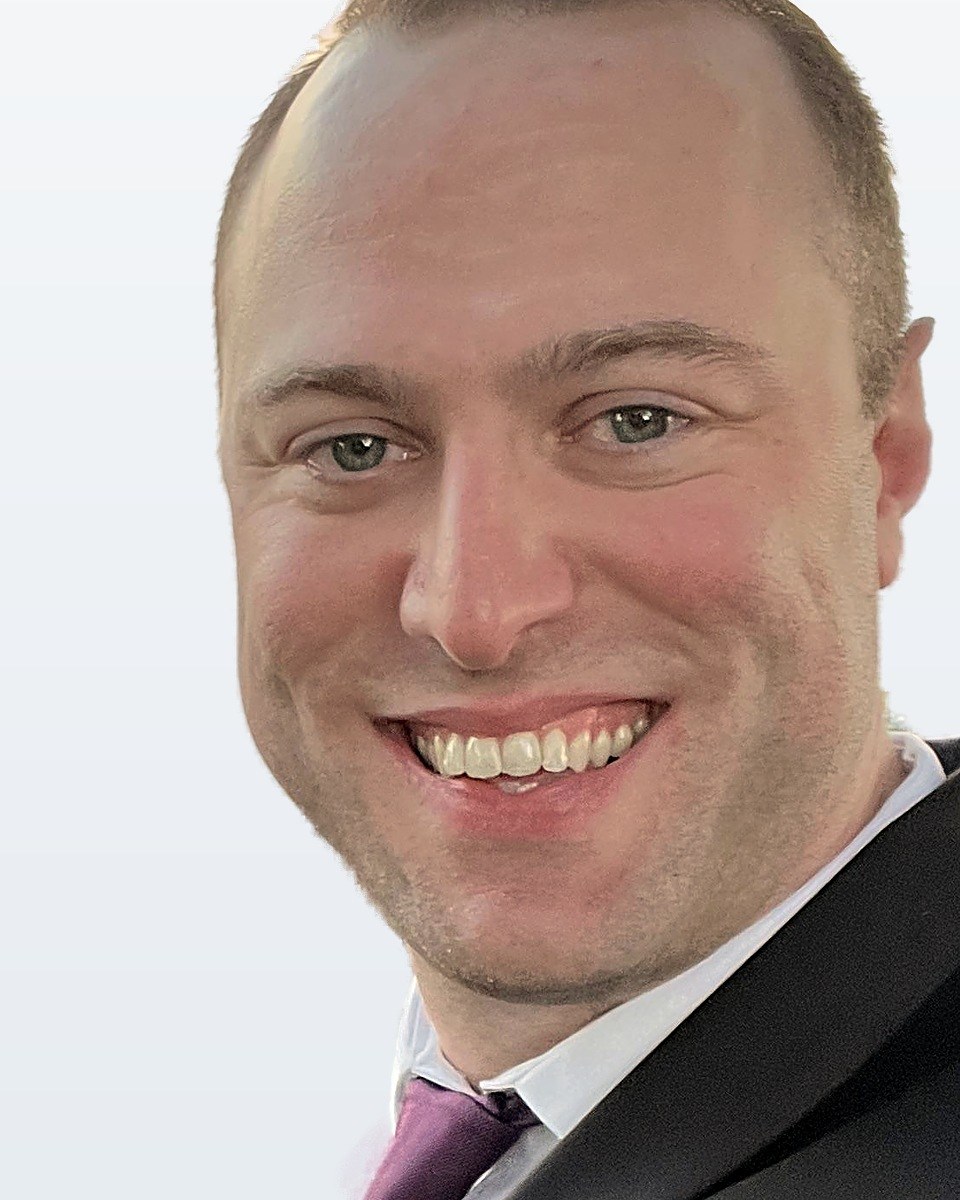
Rob Roberts
Founder, Widenine Solutions · New Jersey
Built from the inside
I have worked inside B2B SaaS and life sciences commercial organisations since 2011, and run Deal Desk and Sales Operations since 2018. Those are dates. Here is what was behind them.
At Medidata Solutions I carried a quota before I ever governed one — four consecutive years of 100%+ attainment across a portfolio of 30+ enterprise and mid-market partner accounts, closing 100+ deals a year.
Then I moved to the proposal side of the same business and ran hundreds of bids across 200+ accounts. Same deals, opposite end of the process. That is where most of this started.
At Amplity Health I directed proposal and bid management across 120+ custom proposals — and built the SOPs, the content libraries and the RFP resources from nothing, because none of them existed.
At Medrio I stood up a Deal Desk from scratch across Finance, Solution Consulting, Sales leadership, Program Management and IT, and designed the Salesforce CPQ approval workflow behind a $25M+ pipeline.
At Inspire I was the sole Salesforce administrator — every sales system, process and number behind 50+ closed-won deals, owned by one person.
That is the actual argument for one operator rather than a firm: the difference between a consultant who has read about a deal desk and one who has been the deal desk at 6pm on the last day of a quarter.
What that has meant in practice
- A Deal Desk function built from zero — scope, participants, review criteria and escalation path — applied across hundreds of deals.
- A Salesforce CPQ approval workflow governing quote strategy, discount management and pricing accuracy.
- A modular DocuSign and CPQ proposal system that cut turnaround on RFPs, RFIs and solution documents.
- A response library of 2,000+ approved question-and-answer pairs, built from nothing and maintained.
- Weekly pipeline calls and quarterly business reviews run as a forecasting discipline, not a status meeting.
The numbers
- $40M+ in enterprise software sales.
- $25M+ in Deal Desk pipeline governed.
- 5,000+ RFP responses built and audited.
- 2,000+ question-and-answer pairs in a response library built from zero.
- 1,000+ proposals created.
- Five consecutive years over quota, 2013 through 2017.
How I work
Direct, and honest even when it costs me the bigger sale. Every engagement starts by naming one specific, measurable gap in how deals move through your business — not a broad, open-ended audit. I show my thinking as we go, so nothing lands as a black box, and I build systems your team can run without me in the room.
The first option on the table is always improving what you already have. Replacing a tool only gets recommended when re-engineering genuinely cannot get you there. Systems get documented clearly enough to outlast any one person on your team — including the change management of getting a new way of working actually adopted, which is the part most teams have nobody to own.
What I don’t do
Worth saying plainly, because a boundary is more useful than a capability list.
- I don’t stand up a deal desk as a function. I build the workflow and governance most teams actually want from one, and I will scope readiness work rather than pretend a system substitutes for headcount.
- I don’t do GxP or computer-system validation. Different discipline, different vendor.
- My contracted scope ends at signature. What the delivery team inherits is how the work gets measured — but I do not run your project after the contract is signed.
- I won’t take the engagement if the process isn’t there to fix. If your deals close on a call and a click, there is not enough here to be worth the fee, and I would rather say so on the first call.